IPTV vs Cable TV: Which Fits Modern Streaming Better?
A balanced comparison of IPTV and traditional cable TV, focused on flexibility, device support, viewing habits, and customer convenience.
What this guide covers
This article is designed to help readers move from general interest to practical action. It focuses on the main steps, decisions, and troubleshooting points that matter most for this topic, without forcing visitors to jump between multiple pages just to understand the basics.
If you are comparing devices, evaluating a subscription path, or preparing for setup, the sections below are meant to give you a clear, support-friendly starting point before you move on to pricing or direct WhatsApp contact.
Flexibility and access
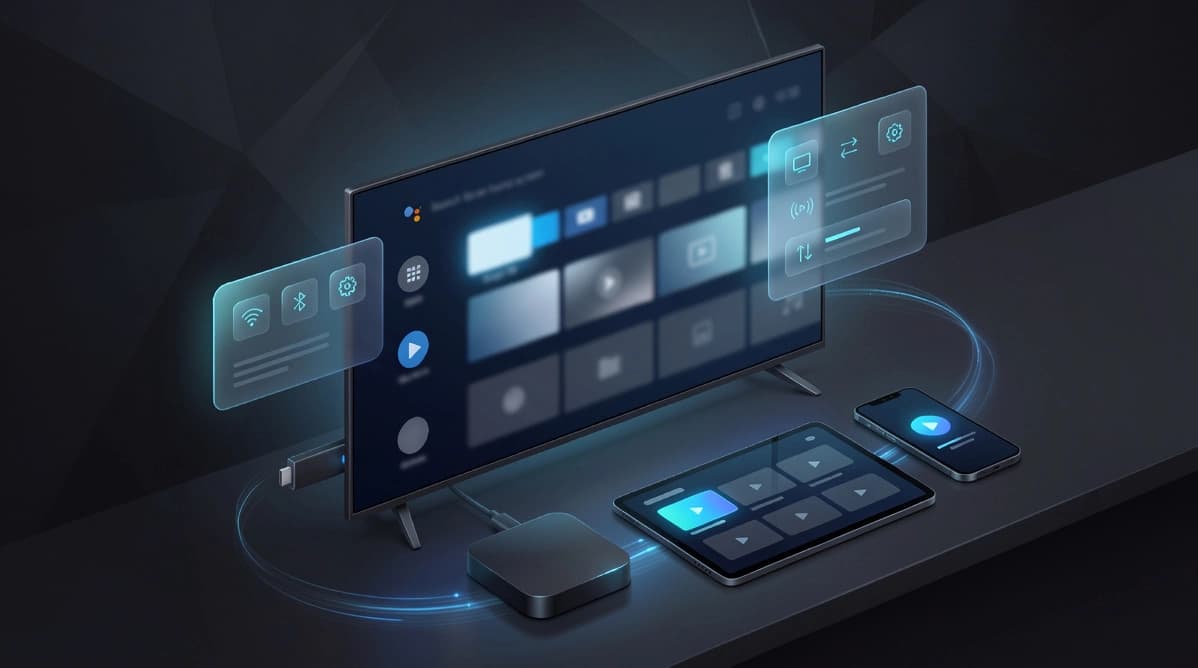
Cable TV is built around a fixed home installation, while IPTV is usually designed to be more flexible across compatible screens. That flexibility matters to households that switch between a living room TV, bedroom device, travel setup, or tablet during the week.
For customers who value convenience, IPTV can feel more aligned with modern viewing habits because it meets people where they already watch entertainment: on connected devices rather than only through a cable box.
- Cable is tied more closely to physical home installation
- IPTV typically supports a broader mix of compatible devices
- Flexible access is valuable for mixed-screen households
Device experience
The device story is one of the clearest differences. Cable generally provides a familiar traditional TV workflow, but IPTV gives users more control over how and where they access the service as long as the device is compatible.
That does not mean one option is automatically better. Households that prefer a single remote and a stable living room setup may still prefer a cable-style routine, while digitally comfortable users often enjoy IPTV's adaptability.
- IPTV works best when device compatibility is clear from the start
- Cable can feel simpler for users who want one fixed home setup
- IPTV is often more convenient for multi-device households
Installation and support
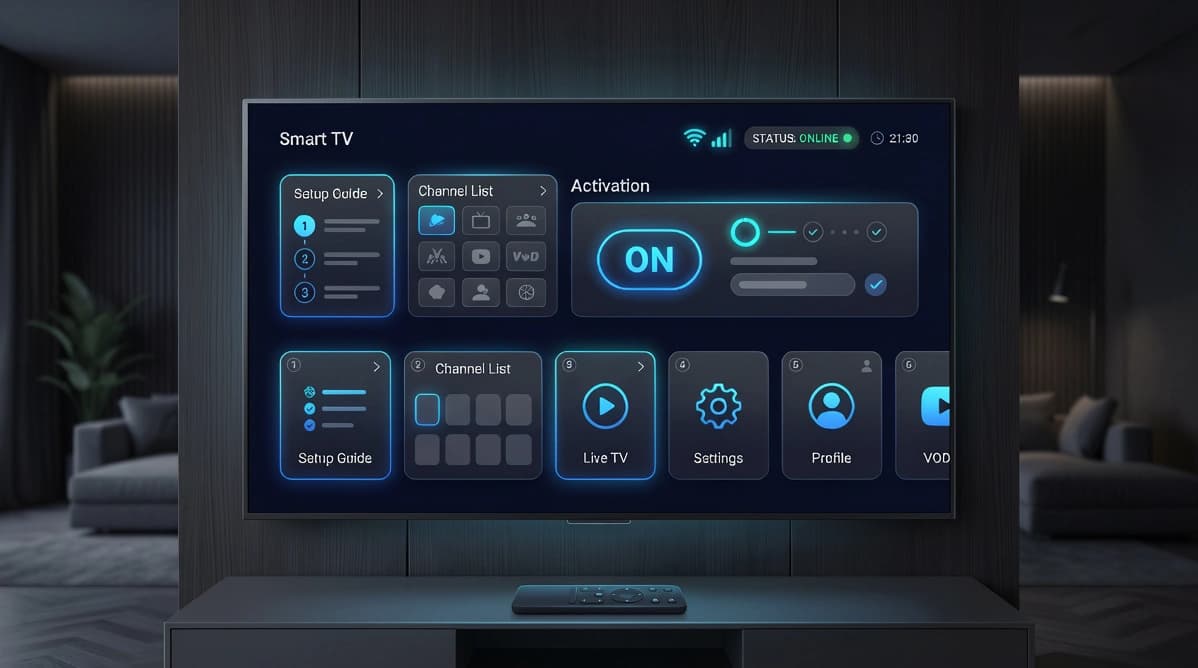
Cable installation normally involves a scheduled home visit or preconfigured hardware, whereas IPTV can usually be activated remotely with support over WhatsApp or step-by-step guides. That removes scheduling friction for many customers.
On the other hand, IPTV places more responsibility on the user to choose a compatible app, enter activation details correctly, and keep the home network healthy. Good onboarding support makes a major difference here.
- Cable often requires technician or provider hardware
- IPTV setup can be faster when the device and app are ready
- Remote support is especially useful for first-time IPTV customers
Cost and long-term value
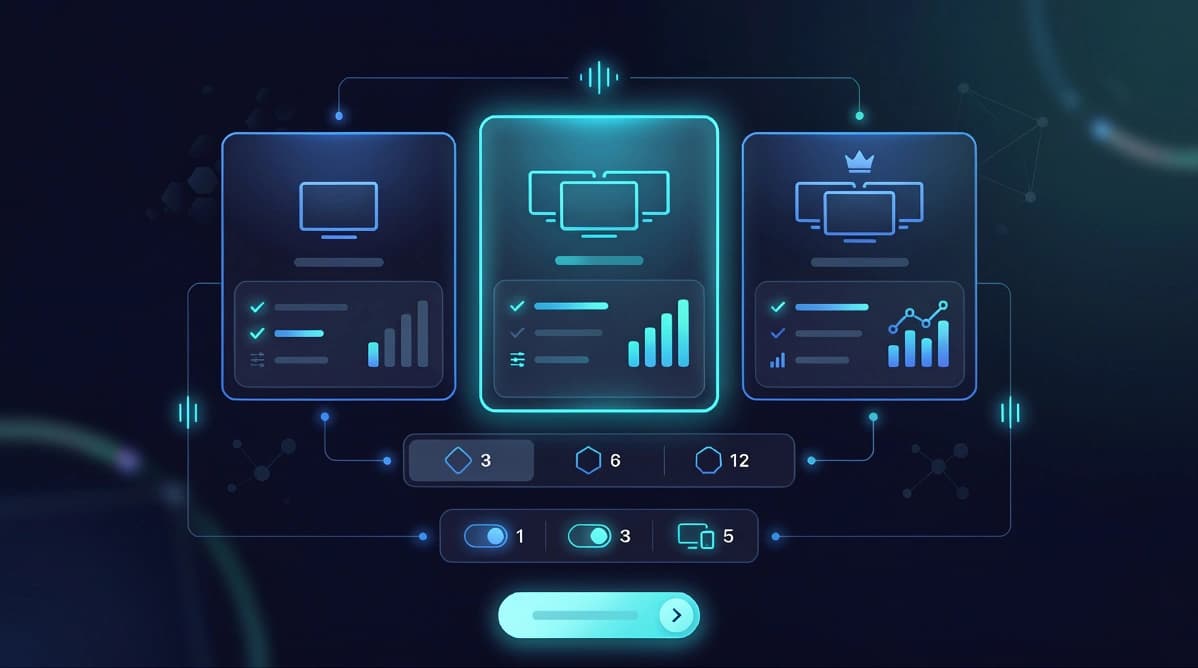
The value conversation depends on usage. Shorter IPTV plans make it easier to test the service and decide whether to continue, while longer plans can reduce the effective monthly cost for customers who already know their setup works well.
The most practical approach is to compare the payment rhythm, renewal convenience, device needs, and support quality rather than focusing on one headline number alone.
- Short plans help validate the service before a longer commitment
- Annual plans can simplify renewals for regular users
- The best value depends on watching habits and device readiness
Practical next step
Once you understand the topic covered here, the next step is usually to match it to your device setup, viewing habits, and subscription needs. That is why UltraMediaView pairs educational content with plan pages, tutorials, and direct support rather than leaving visitors to figure out the final step on their own.
If you still have questions after reading, the pricing, devices, tutorials, and contact pages can help you move from research into action with much less friction.
- Compare best IPTV UK providers if you are buying for the UK market.
- Review IPTV subscription in France for French-language plan guidance.
- Prepare your device with the install IPTV on Firestick guide.